Energy, Culture, and the Future of the US-Japan Japan Alliance
The Context: Energy, AI, and the Alliance
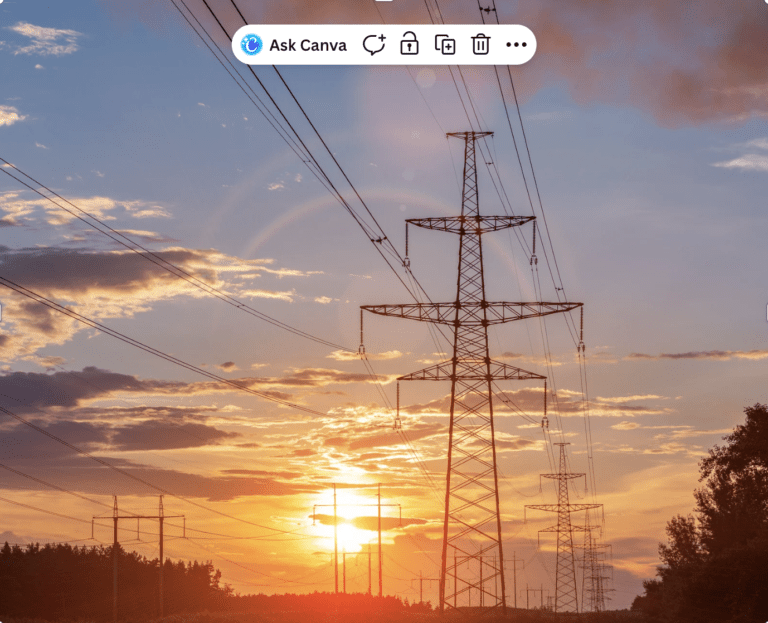
The intersection of energy policy, technological competition and geopolitics continues to shape the relationship between Japan and the United States. Driven by the rapid expansion of artificial intelligence infrastructure, global demand for energy is rising and the questions power generation, supply chains and industrial capability have become central in the discussions about the future of the alliance. The major part of the conversation is focused on economics, technology, and geopolitics. But beneath these strategic considerations, however, there is another little recognized dimension: culture. Understanding how cultural perspectives influence policy and business decision-making can offer deeper insight into how the United States and Japan approach energy and infrastructure challenges.
Recent reflections from Mr. Takajiro Ishikawa, President & CEO at Mitsubishi Heavy Industries America highlight several realities shaping the next phase of the U.S.–Japan relationship. The scale and speed of infrastructure development are becoming critical factors in the global competition surrounding artificial intelligence. At the same time, the United States continues to benefit from a powerful innovation ecosystem that attracts global talent and connects capital with entrepreneurial ambition. For Japan, the United States remains not only an important market but also a reliable partner in securing long-term energy stability.
These observations capture key structural elements of the alliance. However, from a Japan-focused perspective, they also reveal deeper cultural dynamics that influence how each country approaches the challenges of energy security and technological transformation.
Speed Versus Stability in Decision-Making
One of the most notable differences lies in the contrast between speed and stability. American economic culture often celebrates rapid innovation, disruption, and decisive action. Infrastructure development and technological deployment are frequently framed in terms of competition and urgency. Japanese policymaking, by contrast, tends to emphasize stability, legitimacy, and institutional continuity. Decisions involving large-scale infrastructure projects are rarely made quickly, but once a consensus emerges among government agencies, corporations, and local stakeholders, the resulting commitments tend to be durable and long-lasting.
This difference in decision-making rhythms reflects broader cultural values within Japanese society. Public trust and social legitimacy play an important role in shaping policy outcomes. The legacy of the Fukushima Daiichi nuclear disaster continues to influence public attitudes toward energy policy more than a decade after the event. Japan’s gradual return to nuclear energy has therefore required careful regulatory reforms, extensive safety assurances, and the rebuilding of confidence among local communities. Technical feasibility alone has not been sufficient. Social acceptance has been equally essential.
Resilience as a Cultural Principle in Energy Policy
Another cultural factor shaping Japan’s energy strategy is the emphasis on resilience. As a resource-poor island nation with limited domestic energy reserves, Japan has long approached energy policy with an acute awareness of vulnerability. Historical experiences with natural disasters and supply disruptions have reinforced the importance of redundancy and preparation. As a result, Japanese policymakers have worked towards diversifying Japan’s energy portfolio to balance nuclear power, renewable sources, and imported fuels like liquefied natural gas. The objective is not simply efficiency or cost minimization, but rather the creation of a system capable of maintaining stability during periods of uncertainty.
Within this framework, the United States holds a particularly significant position. American energy production, technological capacity, and geopolitical stability make it an attractive partner for Japan’s long-term energy strategy. Access to reliable energy supplies from the United States helps reduce Japan’s exposure to geopolitical risks in other regions of the world, while cooperation in emerging technologies such as hydrogen, advanced nuclear reactors, and clean energy systems offers opportunities for joint innovation.
The Role of Industrial Corporations
Corporate culture also contributes to the distinctive character of Japan’s approach to industrial and energy policy. Large industrial firms have historically played a role that extends beyond purely commercial objectives. Companies such as Mitsubishi Heavy Industries have contributed immensely to the development of infrastructure, advanced manufacturing, and national technological capabilities. These corporations often view themselves as stewards of long-term industrial expertise which supports both economic growth and national resilience. Energy systems, transportation infrastructure, and heavy engineering are therefore frequently discussed not only as markets but also as strategic assets.
Where Cultural Differences May Create Friction
These cultural differences between the United States and Japan have the potential to produce friction in collaborative projects. American partners may seek rapid implementation and flexible investment strategies, while Japanese stakeholders may prioritize careful consensus-building and long-term risk management. Similarly, American firms often approach energy projects through market-driven frameworks, whereas Japanese institutions may evaluate them in terms of national strategic stability plus commercial returns.
How these differences continue to shape the partnership under the current circumstances remains to be seen. The United States brings exceptional strengths in innovation, entrepreneurial dynamism, and the mobilization of capital. Japan contributes deep expertise in systems engineering, operational reliability, and long-term infrastructure management. Artificial intelligence, advanced manufacturing, and new energy systems will require massive investments in infrastructure that must operate reliably for decades. Building such systems will demand not only technological ingenuity but also institutional stability and long-term cooperation. Together, these complementary capabilities create the potential for a partnership capable of addressing some of the most complex challenges of the twenty-first century.
Bridging Different Approaches to Leadership
In this context, understanding cultural perspectives becomes more than an academic exercise. It provides insight into how each country defines risk, evaluates opportunity, and approaches the responsibilities associated with large-scale industrial development. While the future of the alliance will depend on shared interests, it will also depend on the ability of both nations to bridge different approaches to innovation, stability, and economic leadership.
And ultimately, the strength of the relationship may lie precisely in these differences. When combined effectively, American dynamism and Japanese resilience can create the durable infrastructure and technological foundations required for the next era of global economic development.
More Articles